PLAY
We structure our program on science. Not just the educational /discovery aspect of science, but understanding and appreciating the early childhood brain in order to develop evidence-based programs that help children to learn and utilise their potential.
Our role as educators is to get the balance right between ensuring the
well-being and safety of children, whilst providing a stimulating
and thoughtful program that challenges children to experience new scenarios, back their own judgements and achieve the related health outcomes from robust activity.
Children that are being cared for in a long day-care setting, need the
protection of a good policy framework that responds to individual
needs while satisfying the expectations of parents.
It is from this perspective that we base our philosophy.
Protection from danger is an obvious requirement of any service, but
the protection from too much safety is also a factor we need to
consider closely. Children require physical challenges that involve
balance, strength, assessment and planning. They also need to negotiate the social world and the challenges that arise within larger groups and closer friendships. Helping children navigate their expanding social world is also an important tenet of what we do.
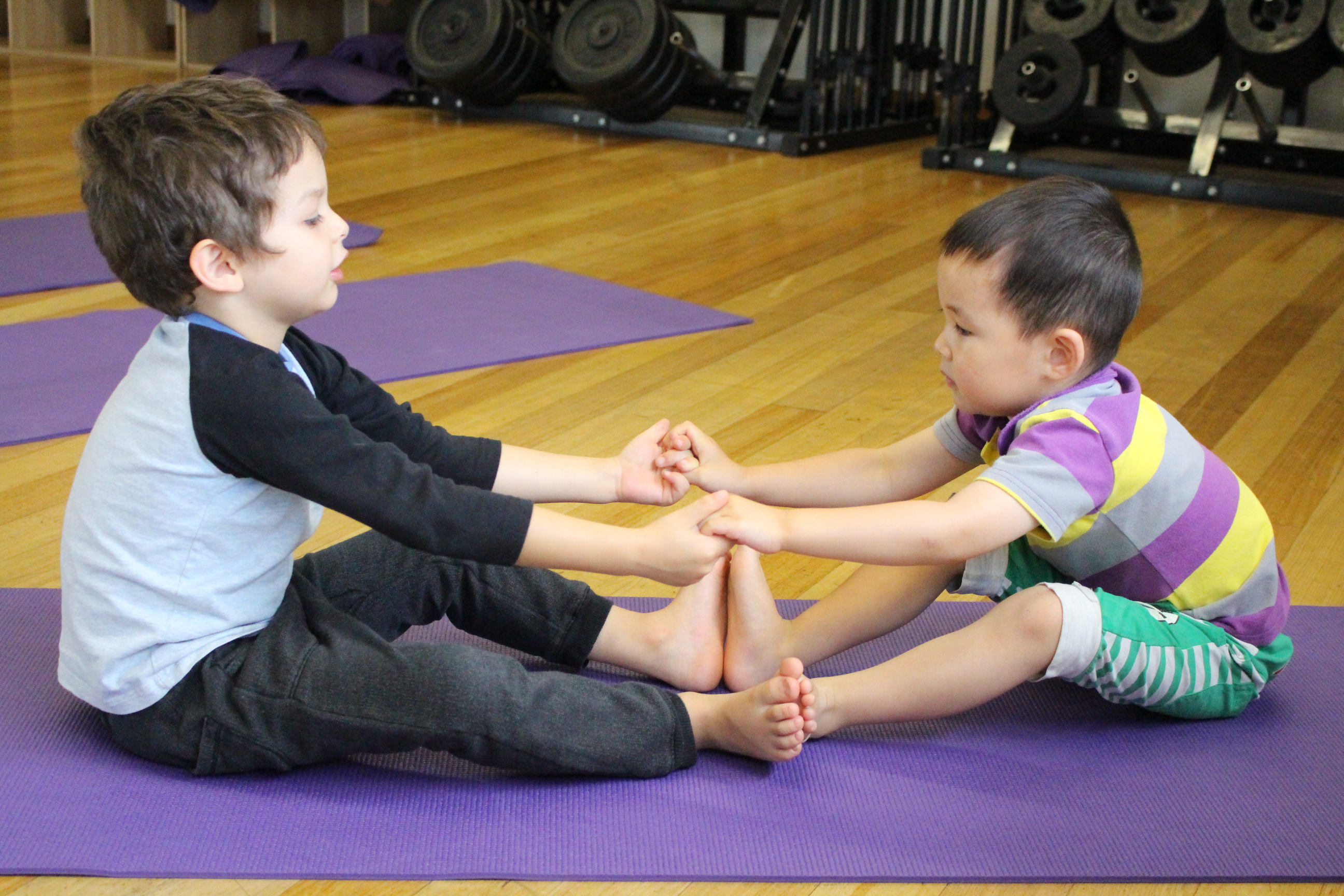
Often, social and physical challenges are thought of in isolation from each other but in the early childhood years, they are frequently in play simultaneously. It is during creative and vigorous play when children negotiate the social world and develop important relationships with similarly, interested peers.
Games invented through friendships are intrinsically important to children and developing the skills to find solutions, incorporate the ideas of others and express individual strengths will have a lasting effect on their lives. Children encourage each other through play to extend themselves beyond their perceived capability to climb, crawl through, jump from and catch up with.
Being able to say -” I jumped from the very top!” or, “we built this cubby house ourselves”, is extremely meaningful in a child’s life and needs to be
acknowledged accordingly. Conquering fears and achieving personal milestones during play is everything to young children.
Our outdoor play spaces are more challenging than other early childhood services. We have interesting, natural environments that allow for climbing, balancing, digging, running and creating.
Our children will scrape their knees, will bump their heads and will experience the joy of unstructured outdoor play every day.
Our children will, from time to time, experience social difficulties and learn how to navigate through disputes and friendship issues.
This is the period in life where these skills are developed. Our job is to
monitor and guide children through these challenges without always solving their problems for them.
We strive to extend on this deep understanding of children’s needs and provide a suitable, child-focused environment where everything we do is based on evidence and is backed up by neurological and educational research.
WHO CAN COLLECT MY CHILD?
Our priority is the well-being and security of your child. No person other than those authorised by you will have access to, or be permitted to take your child from the Centre.
ILLNESS AND ACCIDENT PROCEDURES
While your child attends the Centre every effort will be made to prevent accidents. The indoor / outdoor environments are constantly evaluated to ensure child-safety.
However, if a child does have an accident, all staff have been trained in First Aid and receive regular First Aid and CPR updates. Staff also undergo Asthma and Anaphylaxis management training.
We will contact you immediately if an accident or illness does occur, therefore it is extremely important that we are kept updated with any change of address or contact number.
MEDICATION
If your child requires medication while attending the Centre please remember the following points: Children must commence a course of antibiotics at least 24 hours prior to returning to child care. The medication must be prescribed by a medical doctor with a pharmacy printed label with child’s name. The medication is handed over to a staff member. The medication chart is filled in by you and checked by a staff member.
PARACETEMOL / IBUPROFEN
The use of pain relief medication for children suffering from illness can be an important aid in the battle with illness but does not diminish the risk of spreading disease amongst other children. It is very important that children who are unwell and possibly infectious, remain at home until symptoms have disappeared. The Centre follows the Federal Government guidelines “Staying Healthy in Child Care‟ which stipulates specific exclusion times for different illnesses in order to maximise the health outcomes for children in long day care. These guidelines are available to view in the office either in hard copy form or we can send specific illness information electronically anytime.
There are a number of policies with which you may wish to familiarise yourself regarding your child. These are available from the office;
Code of Ethics
Anti-bias policy
Gender equity
Multicultural policy
Inclusion policy
Care and Educational Philosophy
Goals in support of the programme
Accident policy
Behaviour Management policy
Child Protection policy
Clothing and Sun Protection
Collection / Release of Children
First Aid Health policy
Exclusion policy
Occupational Health and Safety
Immunisation
Notification of Infectious Diseases
Medication / Diet / Special Health considerations
Staff rep. on Management Committee
Nutrition policy
Breastfeeding policy
Security of Children
Security; Custody and Access Issues
Special items from home
Supervision of children
Parent grievance procedure
Parent involvement
Language Guidelines policy
Environment Awareness policy
Evacuation Procedure
Fire safety
Freedom of information
Television / Media policy
Legal liability re: duty of care
Research in the Centre
Guidelines for students and volunteers